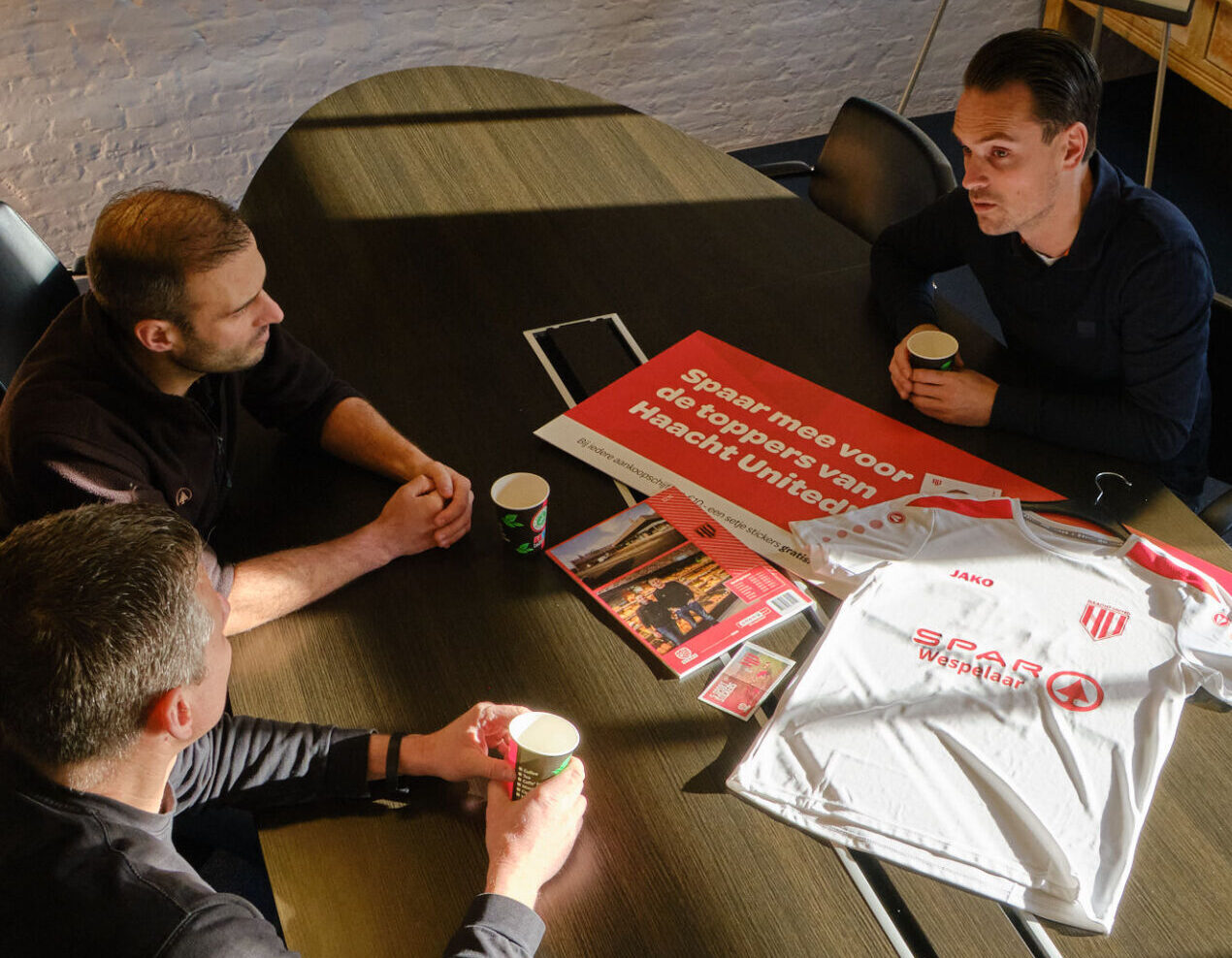
The supermarket industry is changing rapidly. Whereas consumers used to base their choices primarily on price and product selection, customer experience now plays an increasingly important role. Customers have more choices than ever and expect a pleasant, relevant, and sometimes even surprising shopping experience. At the same time, competition is intensifying, and more and more consumers are choosing toorder their groceriesonline.
For brick-and-mortar supermarkets, this means they need to find new ways to stand out. Competing solely on price is no longer enough. Customers don’t just stick around for a good deal; they stay for an experience that appeals to them. Yet it appears that many supermarketsare stillnot taking full advantage of this opportunity. This is precisely where a significant growth opportunity lies.
An effective way to enhance the customer experience is to useloyalty and engagement programs. These are marketing strategies that actively engage customers with the supermarket, such as loyalty programs.
These concepts add an extra layer to the shopping experience. Customers come not only to do their grocery shopping, but also to participate in a promotion or to reach a savings goal. This makes your supermarket more relevant and interesting to customers. Furthermore, these concepts encourage repeat visits and increase customer engagement.
Instead of a passive shopping experience, interaction takes place. This makes a big difference in how customers experience and value a supermarket.
The true power of loyalty and engagement programs lies in fostering customer engagement. When customers actively participate in a campaign, they feel more connected to the supermarket.
A concrete example is a loyalty program in which customers earn points toward a reward with every purchase. This may seem simple, but it has a powerful psychological effect. Customers experience a sense of progress and are motivated to reach their savings goal. As a result, they return more often and make more purchases at your store.
This engagement translates directly into results. Customers who participate in a promotion often spend more and remain loyal for longer. This makesloyalty and activation programsa powerful tool for increasing both revenue and customer loyalty.
In addition to engagement, building momentum is a key factor for success. Effective mobilization and activation strategies tap into psychological triggers such as urgency, simplicity, and social interaction.
Limited-time promotions create a sense of scarcity: customers don’t want to miss out and are more likely to take action. At the same time, simplicity is crucial. The easier a promotion is to understand and use, the more likely your customers are to participate.
Social interaction also plays a role. Many campaigns are shared within families or groups of friends. Think of saving up together for a reward or trading items. This not only increases engagement but also expands the campaign’s reach.
By cleverly combining these elements, a dynamic atmosphere is created in the store. Customers are engaged and encouraged to return more often, which leads to more store visits and higher spending.
We mentioned earlier that in a highly competitive market, customer experience is becoming an increasingly important differentiator. Products and prices are often comparable, which means that customer experience is what sets companies apart.
Supermarkets that invest in the customer experience build stronger relationships with their customers. This isn’t just about service, but also about emotion and experience. How does a customer feel during and after shopping? That largely determines whether someone will return.
Collectible and engagement concepts effectively address this. They add fun, surprise, and interaction to the shopping experience. This creates a positive association with the supermarket. Customers remember not only what they buy, but also how they feel about it.
This fosters stronger brand loyalty and makes customers less sensitive to price differences. In the long term, this provides a significant competitive advantage.
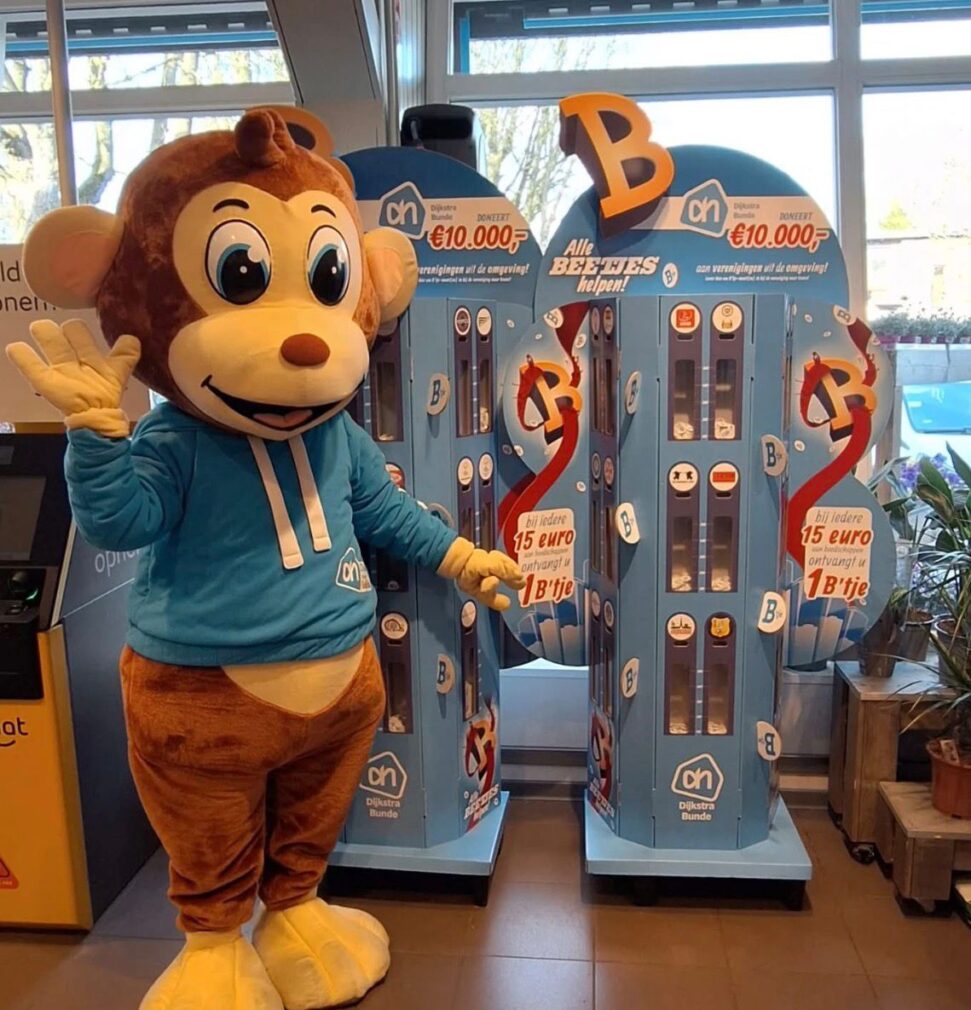
Although loyalty and activation programs are often used as temporary campaigns, their true strength lies in a structural approach. Many supermarkets launch one-off promotions without follow-up, which limits their impact.
Successful entrepreneurs view these concepts as part of a broader strategy. By coordinating initiatives and implementing them on an ongoing basis, they create a consistent customer experience. This can be achieved, for example, by combining seasonal campaigns with anongoing loyalty program.
By taking a strategic approach, loyalty and activation programs become not only a marketing tool, but an important part of business operations.
Loyalty and engagement programs are playing an increasingly important role in the modern supermarket industry. In an era where the customer experience is paramount, these programs offer an effective way to engage customers, build loyalty, and drive growth.
They encourage more interaction, increase engagement, and promote repeat visits. At the same time, they help build a stronger emotional connection between customers and the supermarket.
For supermarkets that want to continue growing in a competitive market, loyalty and engagement programs are therefore not a luxury, but a necessity. By strategically implementing these programs and prioritizing the customer experience, business owners can set themselves apart and build lasting relationships with their customers.